
Google’s March 2024 Core Update: Expired Domain Abuse

Expired Domain Abuse means that you are using an expired website domain’s reputation, authority, and credibility to rank your content by manipulating Google’s algorithm factors. For example, suppose a food website domain, which has a huge user base, good authority, and excellent engagement time, sells the domain to another party, and the one who purchased […]
How to Make a Link in the Blog Dofollow and Nofollow
Simply click on settings option after adding a link and click on add a rel-“nofollow” to make the link nofollow from dofollow.
Basic SEO Steps for E-commerce Websites

Making a name for yourself in the always-changing world of online retail is essential for e-commerce companies. While paid advertising offers immediate visibility, E-commerce SEO provides a sustainable and cost-effective way to attract organic traffic, convert more visitors into customers, and ultimately, boost your bottom line. This guide delves into the fundamental SEO steps for […]
Fix “We had a problem submitting your indexing request. Please try again later”

Are you facing issues with request indexing, or are your contents not getting indexed? Are you encountering a message during request indexing that says, “Oops! Something went wrong. We had a problem submitting your indexing request. Please try again later”? If so, I have a solution for all of you. Why you see “Oops ! […]
Steal Your Competitor’s Backlinks for free
In the competitive world of online marketing, outranking your competitors is a significant challenge. Many factors contribute to a website’s search engine ranking, but one of the most crucial is backlinks. Understanding how to effectively steal your competitor’s backlinks can give you an edge in improving your site’s visibility and performance. What are backlinks? Backlinks […]
Technical SEO Blueprint: Optimize Your Website for Better Rankings

Technical SEO is a crucial aspect of website optimization that focuses on enhancing the technical elements of a website to improve its visibility and ranking in search engine results. This article outlines key steps to optimize technical SEO, providing insights into their importance and practical tips for implementation. 1. Check and Optimize Your URL Structure […]
Crawl Rate Limiter Tool Update: Adjust to GSC Changes
Google is set to remove the Crawl Rate Limiter Tool from its Search Console. This change will happen on January 8, 2024. This tool previously helped website owners control the frequency of visits by Googlebot, Google’s web-crawling robot. What is Crawl Rate Limiter Tool? The Crawl Rate Limiter Tool in Google’s Search Console allowed website […]
Why Should I Disallow Categories and Tags in Robots.txt?
When it comes to optimizing a website for search engines, one question that often arises is, ”What should I allow and disallow in robots.txt? and “Should I disallow categories and tags in robots.txt?” or “Should I disallow: /search in robots.txt? This article will provide deep learning about why you should disallow categories and tags in […]
Why Should You Block ChatGPT Bots from Crawling Your Site?

As bots and AI-driven tools become more common in our daily lives, the question often arises: should you block ChatGPT bots from crawling your site? The decision to “block the ChatGPT bot” isn’t one to be taken lightly. It’s essential to understand the implications of such a move and how it can impact your online […]
How To Use One Canonical Link Tag in Your Website
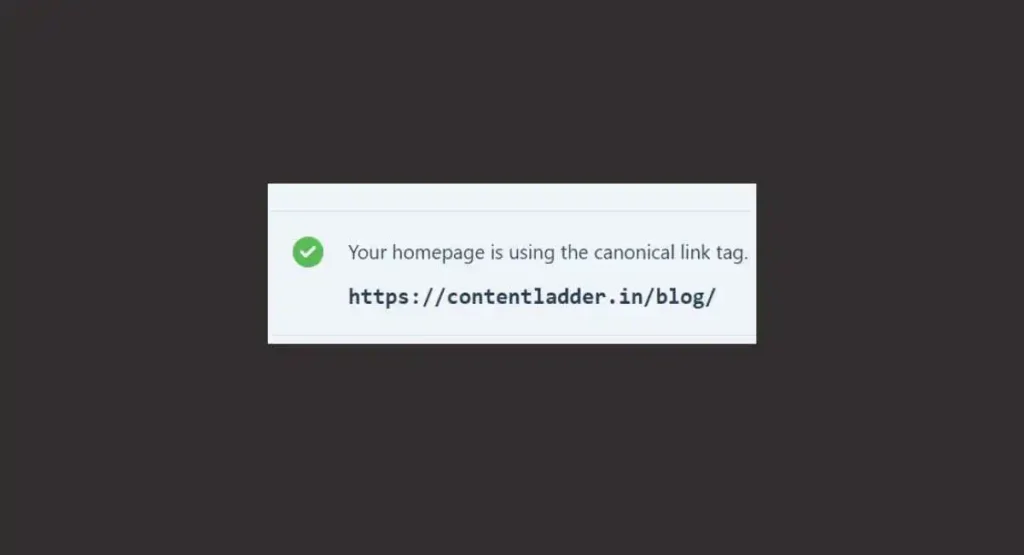
You might have seen the www version, https version, and HTTP version all directing to the same website. This raises the question: why does a single website have so many URLs? Does it impact SEO? In this article, we will delve into the importance of using one canonical link tag on your website. Also, how […]